Computers
15/03/2023
Little story
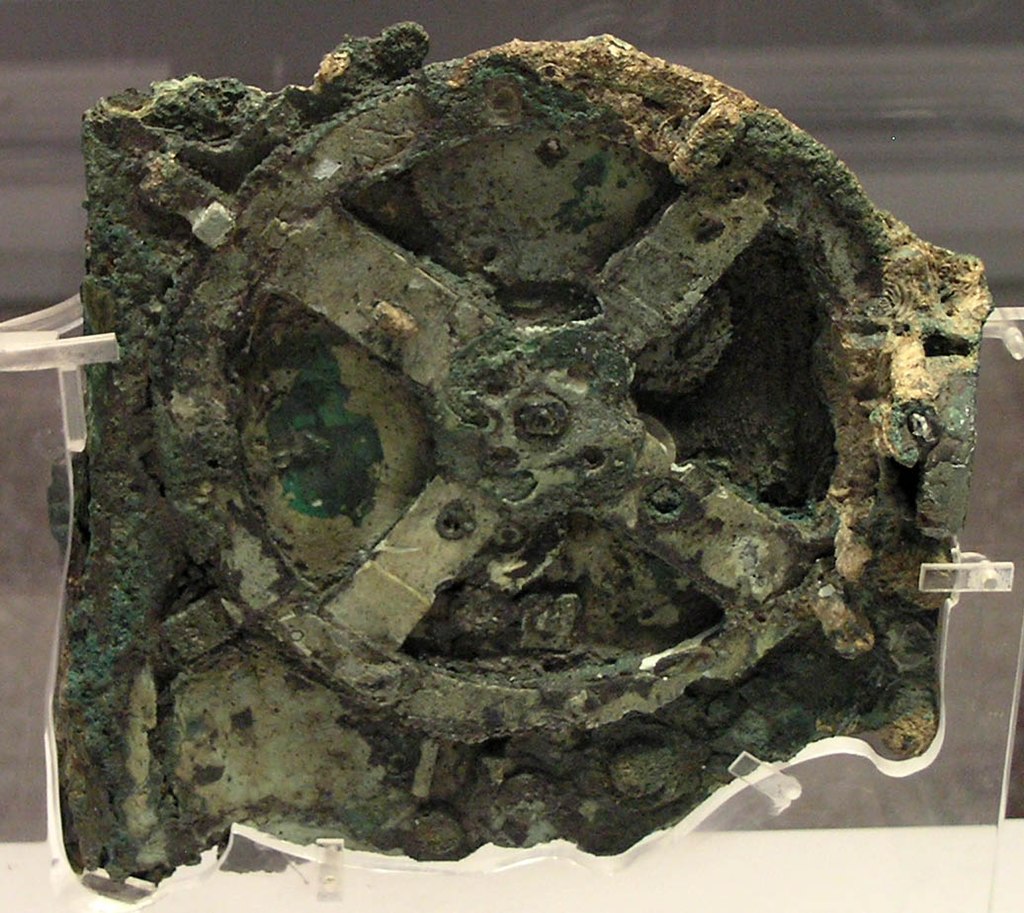
Antikythera mechanism (87 BC)
The oldest known example of an analogue computer used to predict astronomical positions and eclipses decades in advance.
Little story
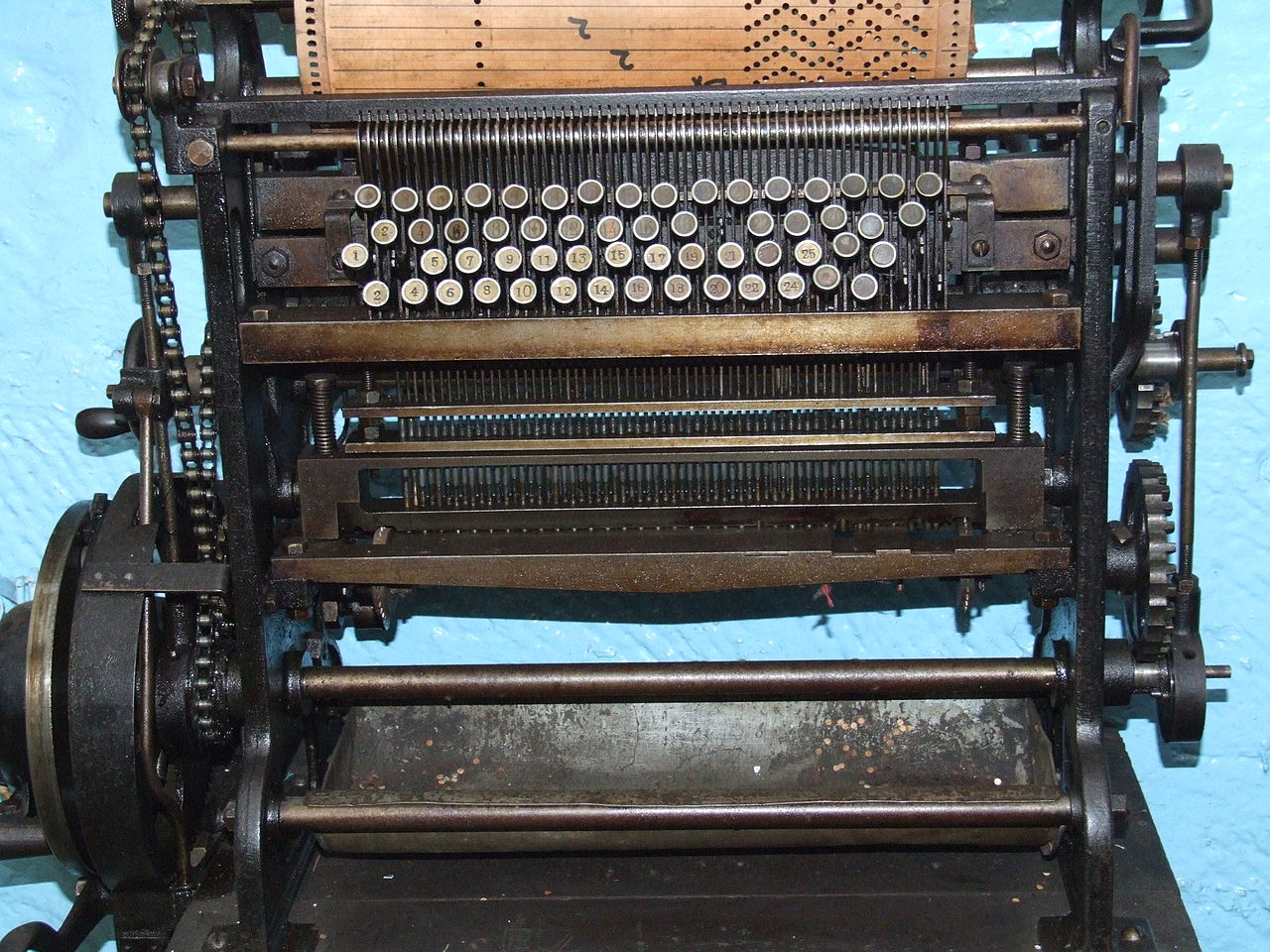
Jacquard machine (1804)
Simplifies the process of manufacturing complex textiles he machine. Was controlled by a chain of punched cards;
Little story
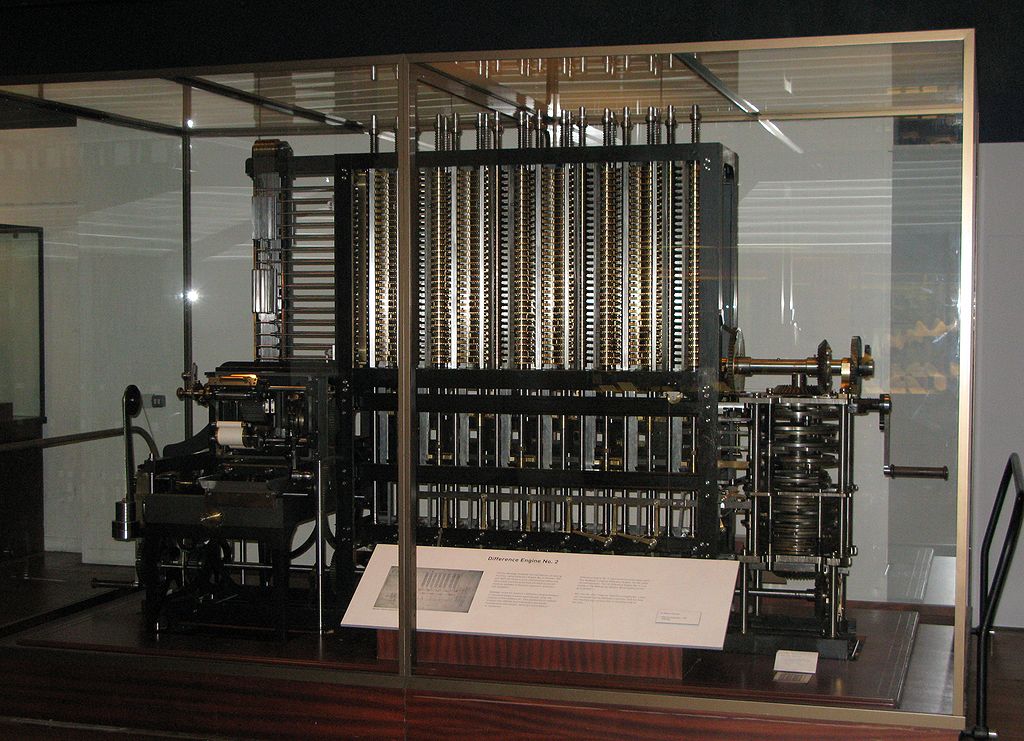
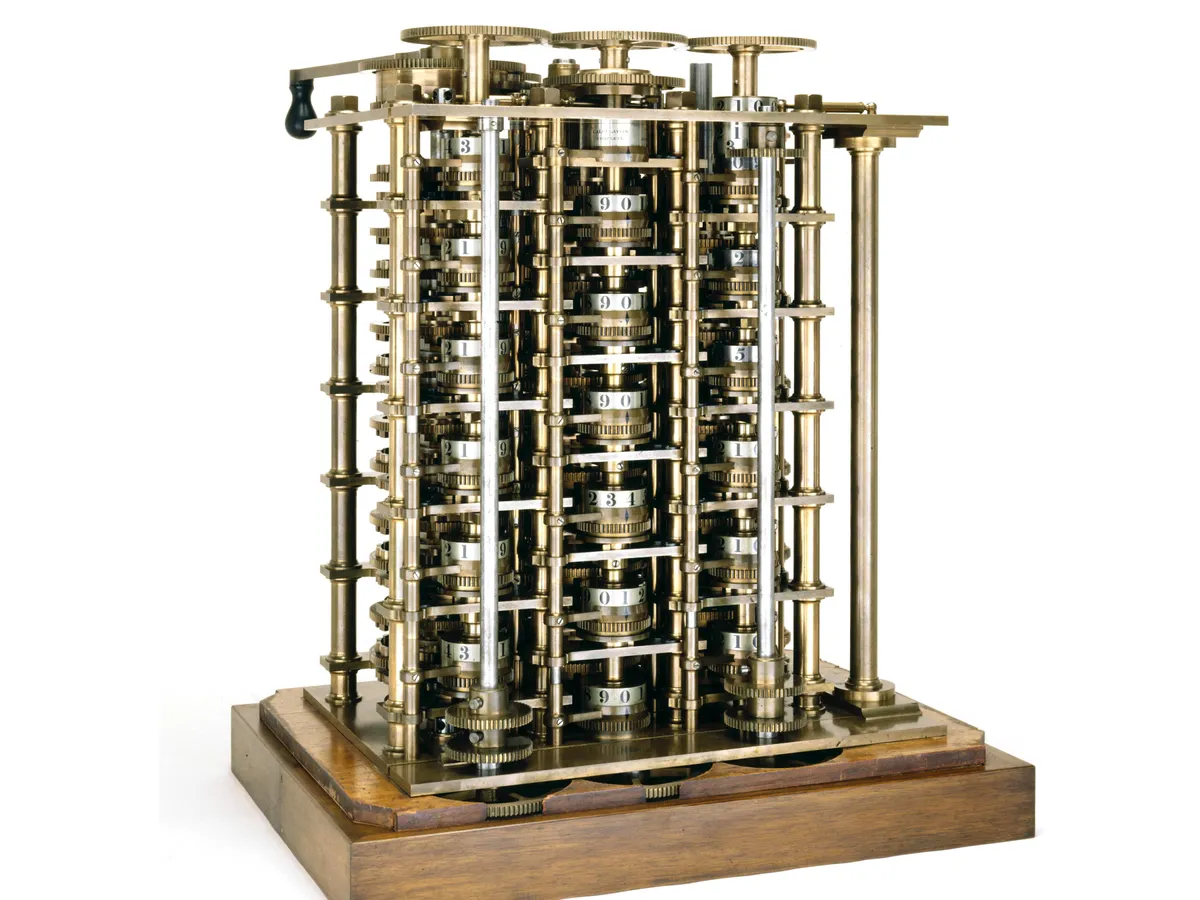
The differential engine (1820)
A mechanical calculator designed to tabulate polynomial functions. Was first created by Charles Babbage and is considered the first moder computer.
Analog computers
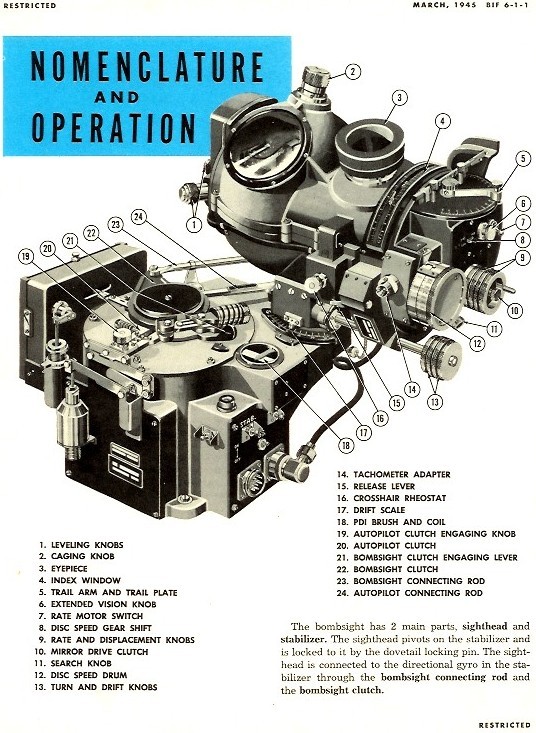
Is a type of computer that uses the continuous
variation aspect (analog signals) to model the problem
being solved.
Example of analog computer
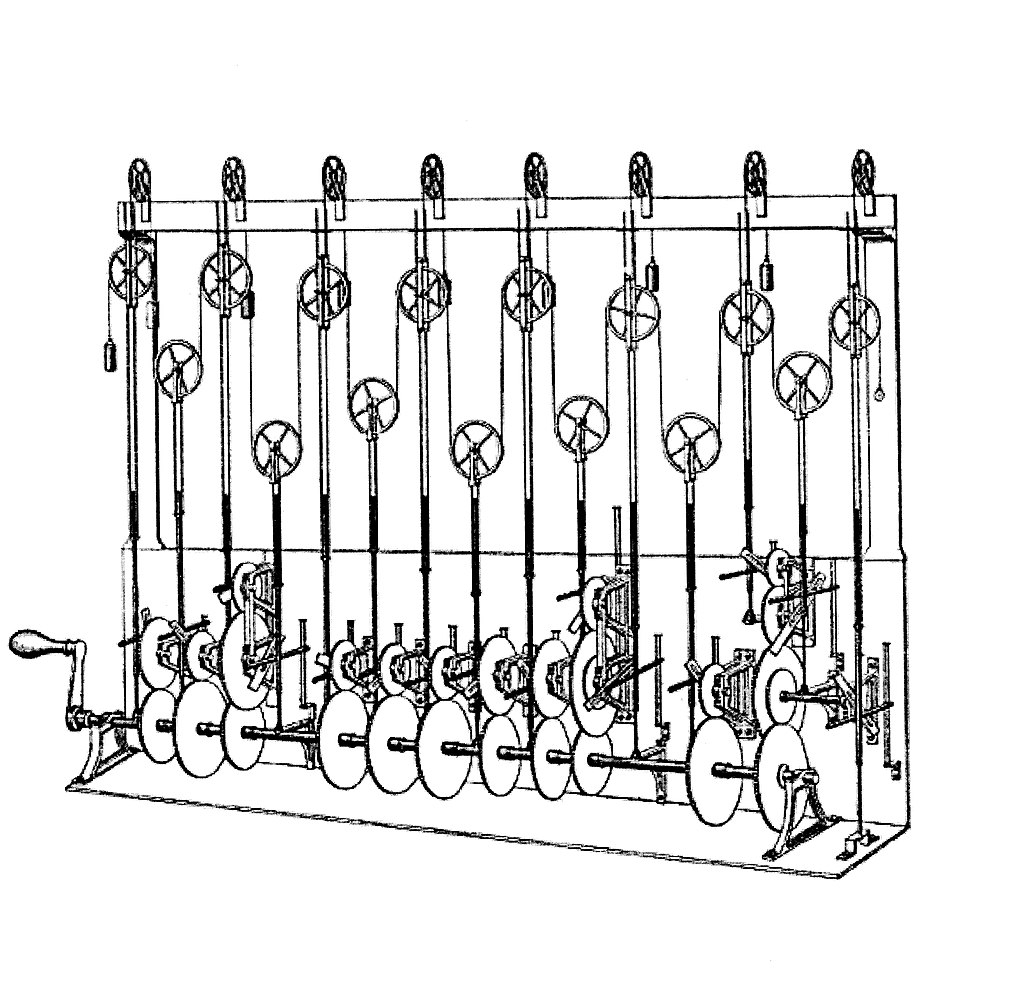
Here is tide predictor machine that, using a sequence of pulley, can
predict (compute) tides. This is conceptually similar to
the Antikythera mechanism.
Digital computers
Is a type of computer that uses the discrete form
(discrete inputs) to model the problem being solved.
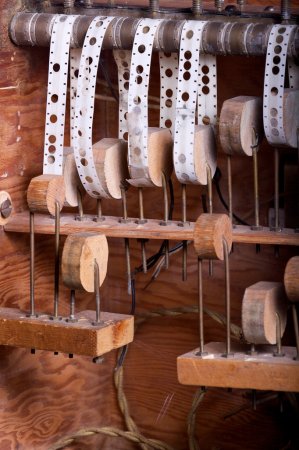
Example of Digital computer
The Lehmer sieve in 1926 was made using chains of varying length, with rods at appropriate points in the chains. As the chains turned, the rods would close electrical switches, and when all the switches were closed simultaneously a solution had been found
Hilbert Problems(1900)
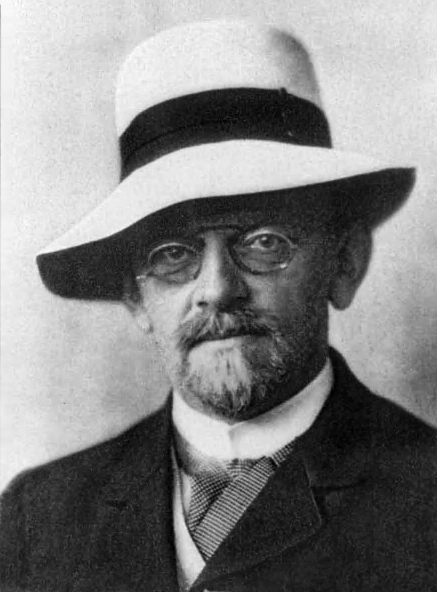
Among the 23 problems stated by Hilbert we summarize them in three questions and those were not just questions in mathematics; they were questions about mathematics itself
Kurt Gödel
Kurt Gödel in 1930 answered to the first two stating shortly that if the answer to question 2 above is “yes” (i.e., mathematics is consistent), then the answer to question 1 (is mathematics complete?) has to be “no.”

Alan Turing
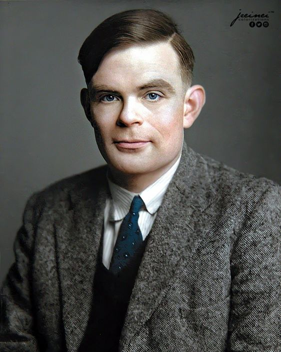
The decision problem was answered by Alan Turing in 1935 and the answer was no, (the halting problem) but doing this he create the computer concept as we know it today.
Alan turing did this when he was twenty-three-year-old as graduated student under the logician Max Newman
Turing Machine
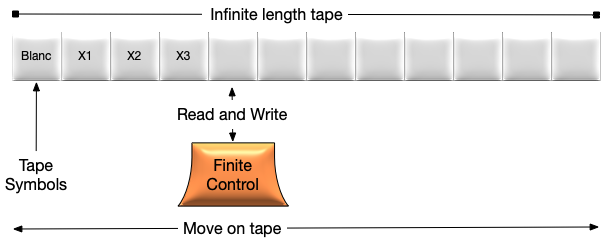
is composed by a tape where an head can
scroll in any direction and can read/write symbols on it. The
head can use a finite control made up with
rules eg: if tape cell read is (x) then
move to next tape cell and write (y) …
von Neumann
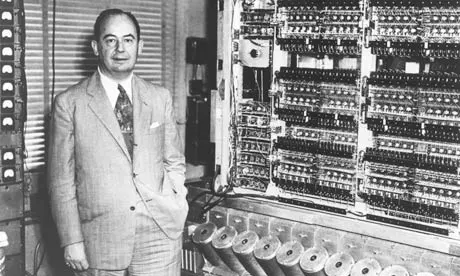
The von Neumann architecture consists of a
random access memory (RAM) that stores both program
instructions and data, and a central processing unit (CPU)
that fetches instructions and data from memory and executes the
instructions.
A forward step
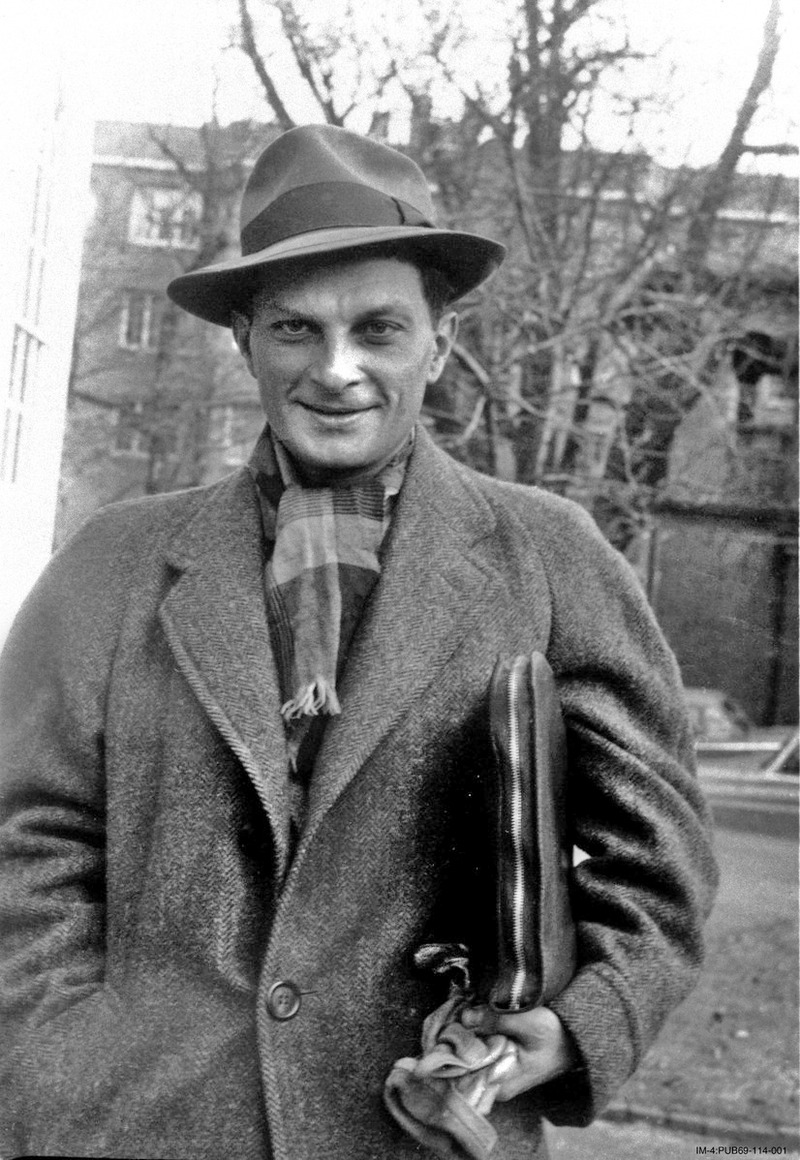
von Newman working in Los Alamos with Stanislaw Ulam start thinking about a different architecture of computer mainly to solve fluid motions problems
cellular grids
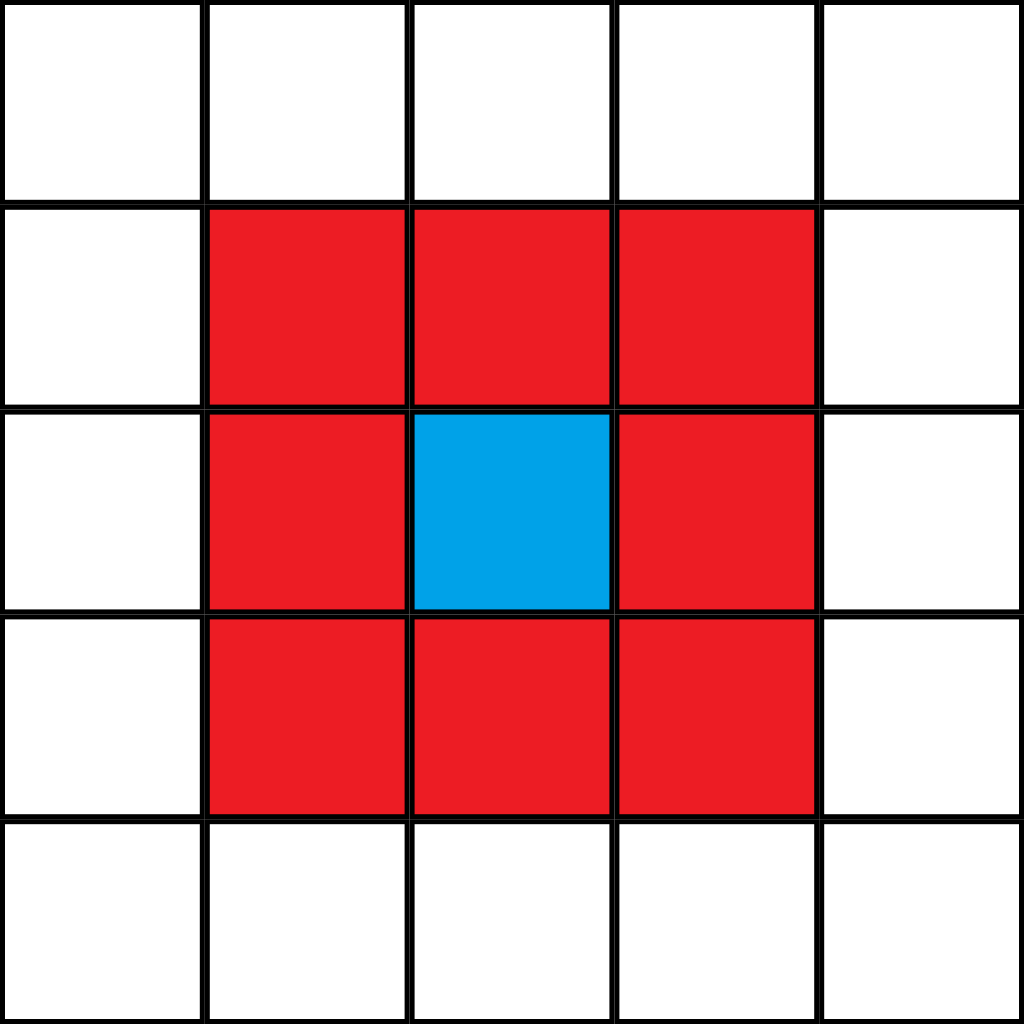
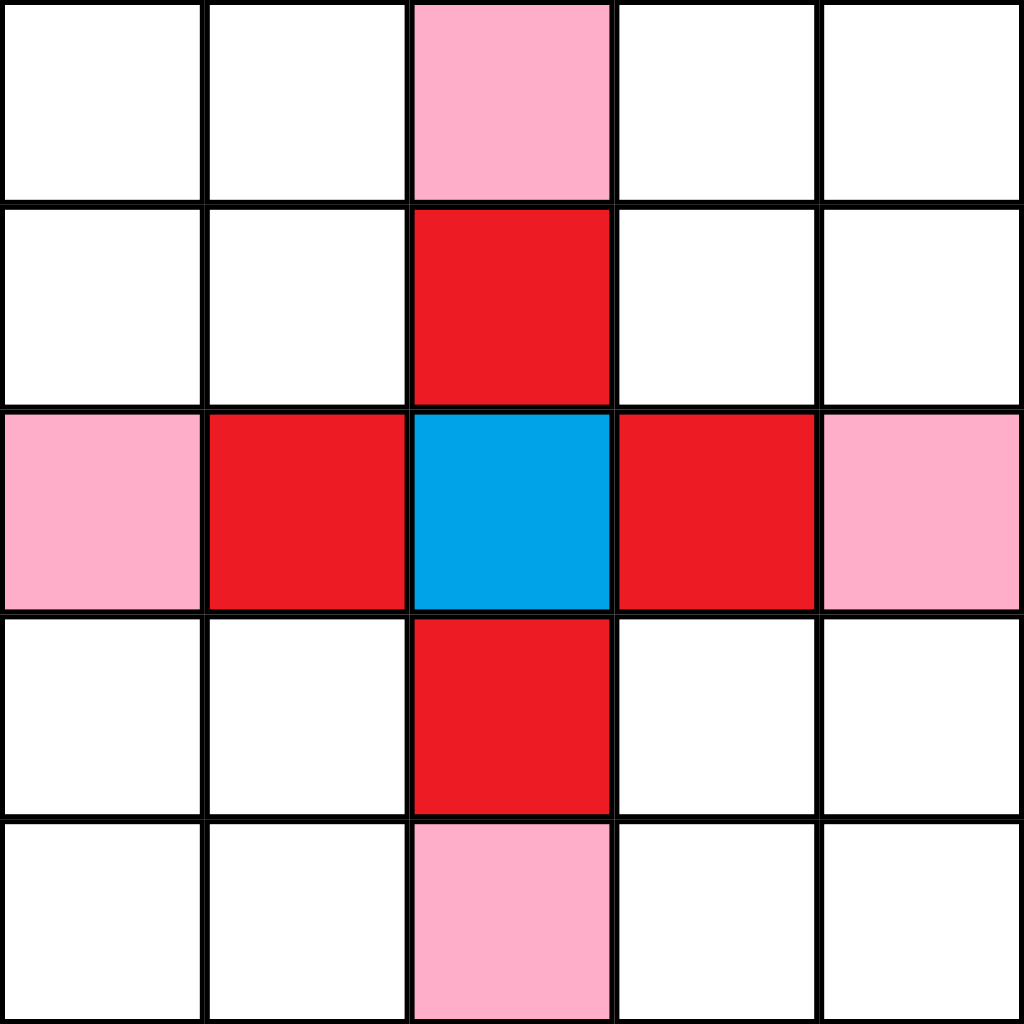
Conway’s Game of Life
- Any live cell with two or three live neighbours survives.
- Any dead cell with three live neighbours becomes a live cell.
- All other live cells die in the next generation. Similarly, all other dead cells stay dead.
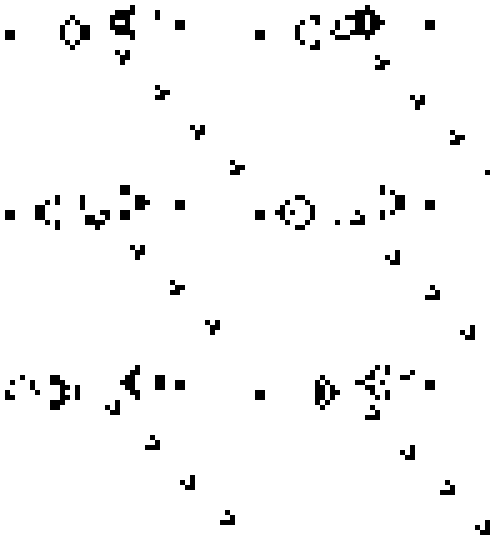
Guns and Glider

Wolfram Automaton
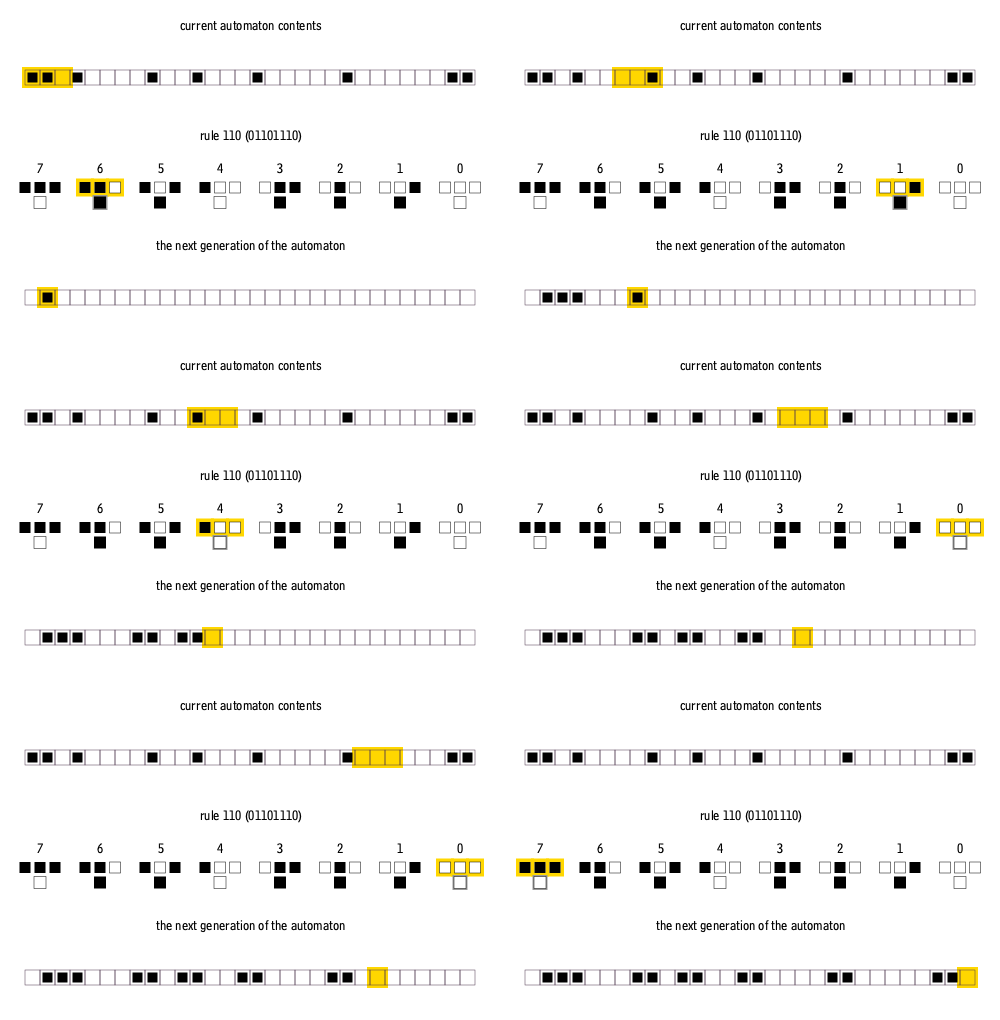
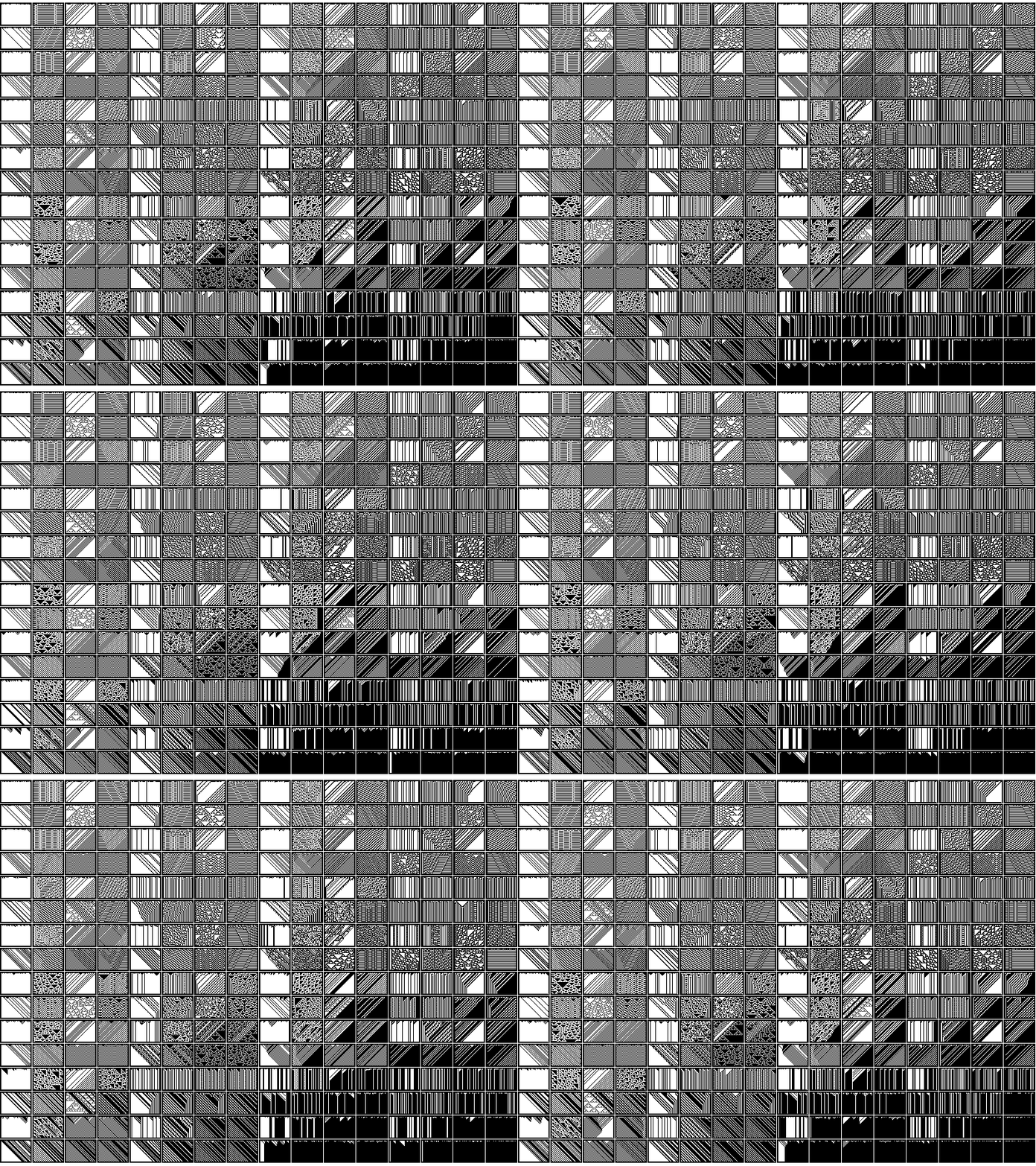
Steven Wolfram simplified the concept of cellular automata using just 8 bits to create 256 possibile rules, and discover this:

Rule 110
Automaton 256 rules
Chaos and Order
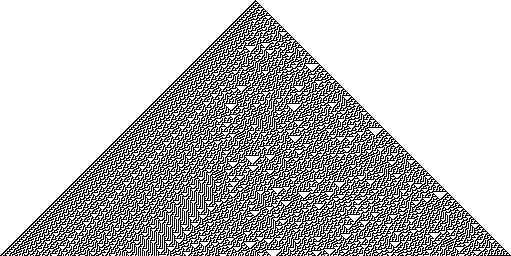
Rule 110 was proved to be an Universal
Computer but Rule 30 seem to be hitting the edge
from Chaos and Order in the field of complexity, leading to an idea
of
Complexity