Encoding
Silvestro Di Pietro
20/03/2023
Definition
Encoding
In computers, encoding is the process of putting a sequence of characters (letters, numbers, punctuation, and certain symbols) into a specialized format for efficient transmission or storage. Decoding is the opposite process – the conversion of an encoded format back into the original sequence of characters.
Charsets
Charsets Definition
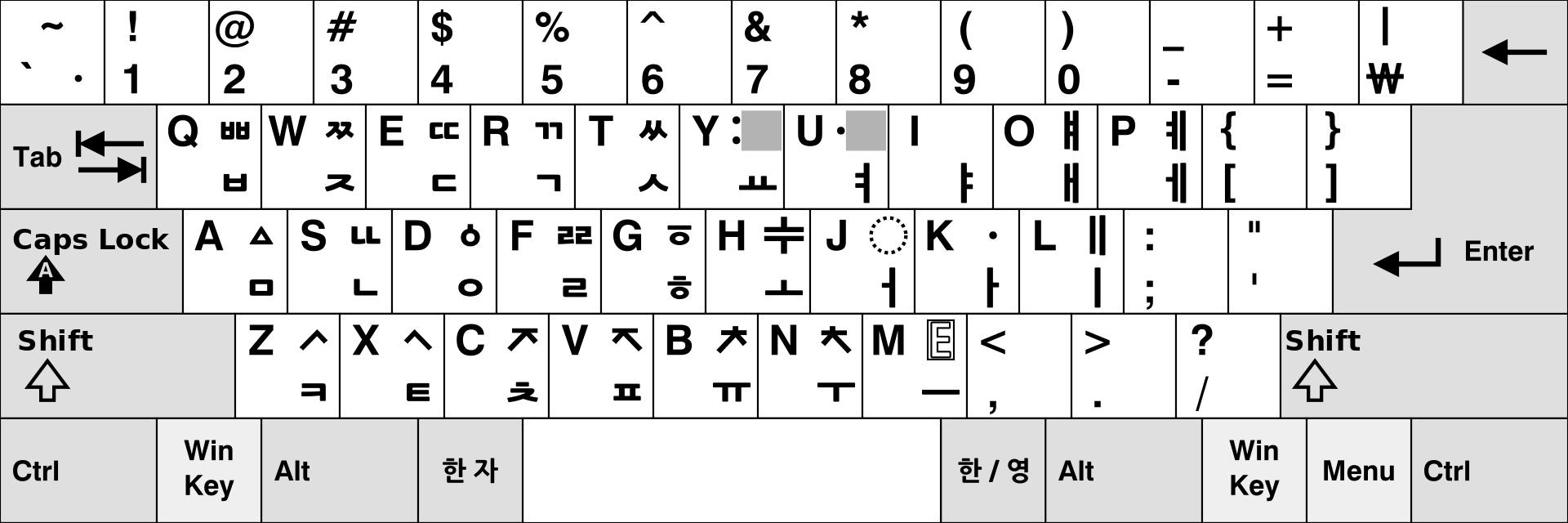
- A character is a minimal unit of text that has semantic value.
- A character set is a collection of characters that might be used by multiple languages.
- A coded character set is a character set in which each character corresponds to a unique number.
Morse Code

Chars Encoding
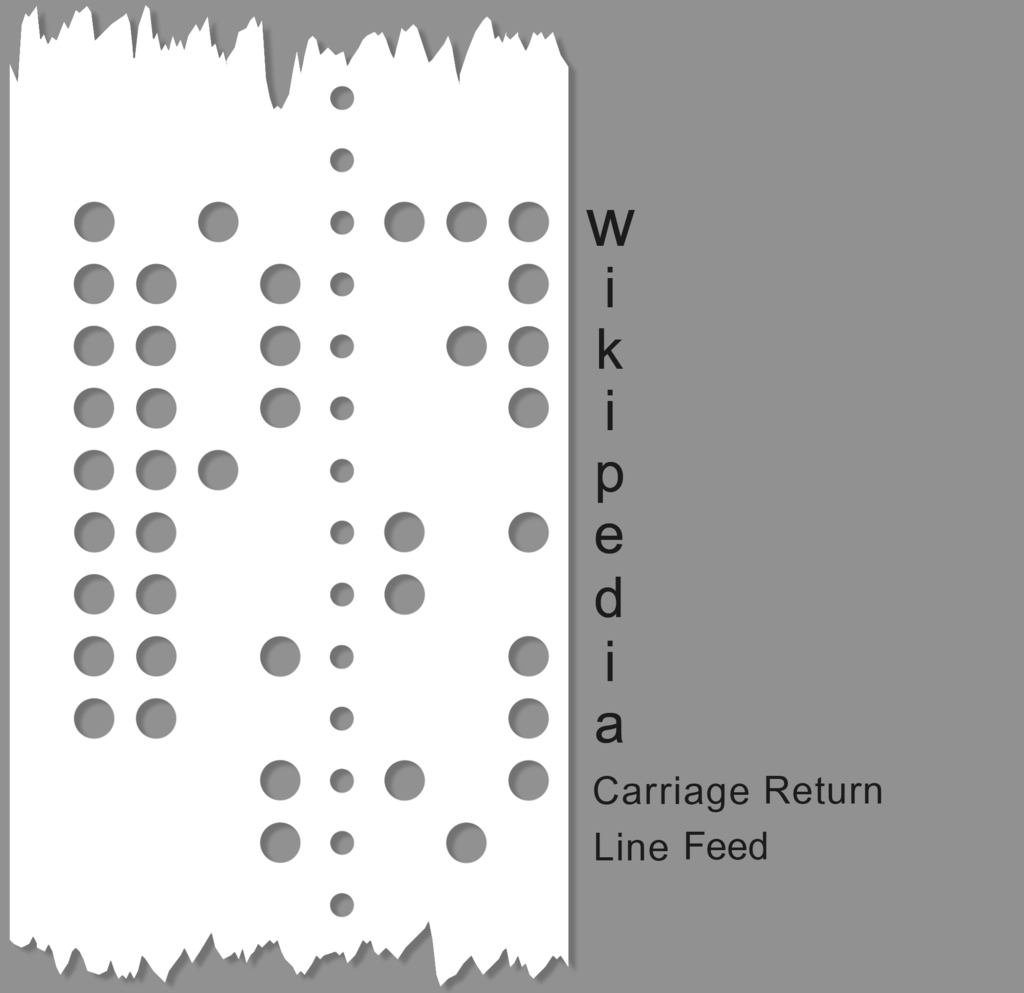
Code Unit
A code unit is the “word size” of the character encoding scheme, such as ‘7-bit’, ‘8-bit’, ‘16-bit’. In some schemes, some characters are encoded using multiple code units, resulting in a variable-length encoding. A code unit is referred to as a code value in some documents
Code Unit Examples
- A code unit in
US-ASCIIconsists of *7 bits; - A code unit in
UTF-8, EBCDIC and GB 18030 consists of 8 bits; - A code unit in
UTF-16consists of 16 bits; - A code unit in
UTF-32consists of 32 bits.
Ascii
what is
abbreviated from
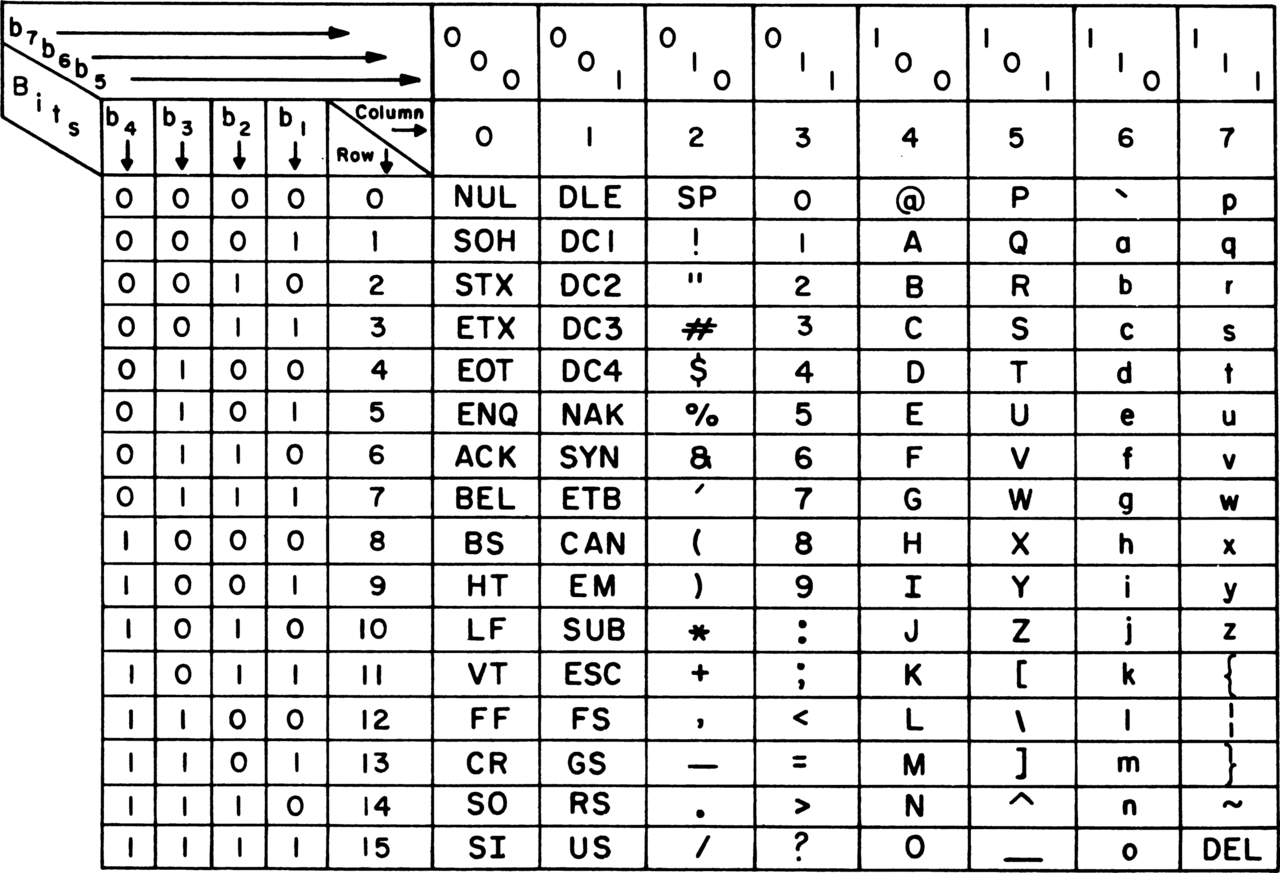
American Standard Code for Information Interchange, is a
character encoding standard for electronic communication. ASCII codes
represent text in computers, telecommunications equipment, and other
devices. Because of technical limitations of computer systems at the
time it was invented, ASCII has just 128 code points, of
which only 95 are printable characters.
ASCII table
UTF-8
what is
UTF-8 is a variable-length character encoding standard used for electronic communication. Defined by the Unicode Standard, the name is derived from Unicode (or Universal Coded Character Set) Transformation Format – 8-bit.
UTF8
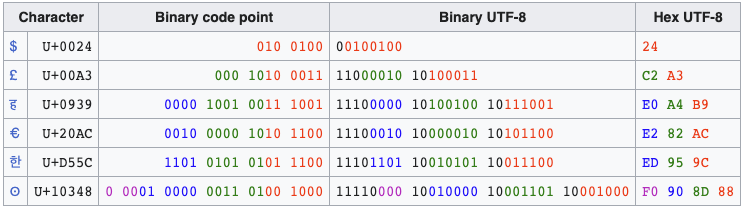
UTF-8 is capable of encoding all 1,112,064 valid
character code points in Unicode using one to
four one-byte (8-bit) code units. Code points with lower
numerical values, which tend to occur more frequently, are encoded using
fewer bytes. It was designed for backward compatibility with
ASCII: the first 128 characters of Unicode, which
correspond one-to-one with ASCII, are encoded using a single byte with
the same binary value as ASCII, so that valid ASCII text is valid
UTF-8-encoded Unicode as well.
Conversion: ICONV
The iconv program converts text from one encoding to another encoding. More precisely, it converts from the encoding given for the -f option to the encoding given for the -t option. Either of these encodings defaults to the encoding of the current locale. All the inputfiles are read and converted in turn; if no inputfile is given, the standard input is used. The converted text is printed to standard output.
ICONV example
man iconv
UTF8 Example
HTML usage
BASE64
What is
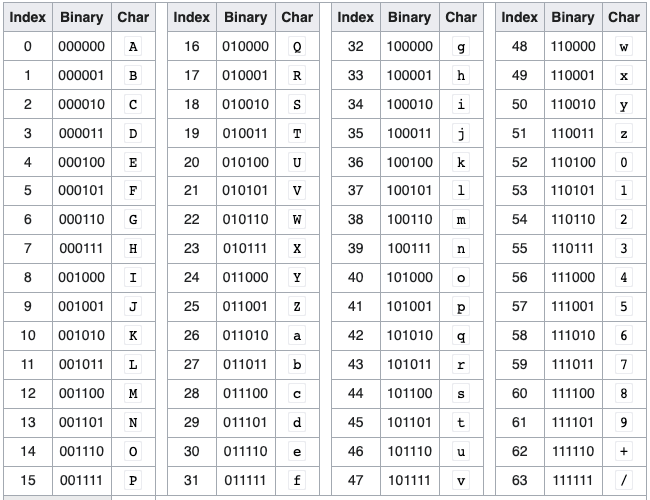
In computer programming, Base64 is a group of binary-to-text encoding
schemes that represent binary data (more specifically,
a sequence of 8-bit bytes) in sequences of
24 bits that can be represented by four 6-bit
Base64 digits.
Usage
Binary files cannot be transmitted or stored easily because in a binary file there are bytes, or better, sequence of bits that will interfere within the transmit protocol o the data storage format (eg a binary file sent by email.) or database storage
how encode/decode
b64 overhead
| File name | Size | Base64 size | Base64 gzip size |
|---|---|---|---|
| ifomLogo.png | 5754 | 10233 | 5533 |
b64 ENCODING
URL encoding
Uniform Resource Identifier
RFC rfc3986
URL is a subset of th URI and is for Uniform Resource Identifier. in
URL there are some reserved characters as forward slash
! # $ & ’ ( ) * + , / : ; = ? @ [ ]
Percent escaping
You can represent binary chars escaping (prefixing) them using a %
A (see ASCII table) can be represented by
%41